Seasonal Flower Guide

Naveen Kumar
| 19-03-2026
 · Lifestyle Team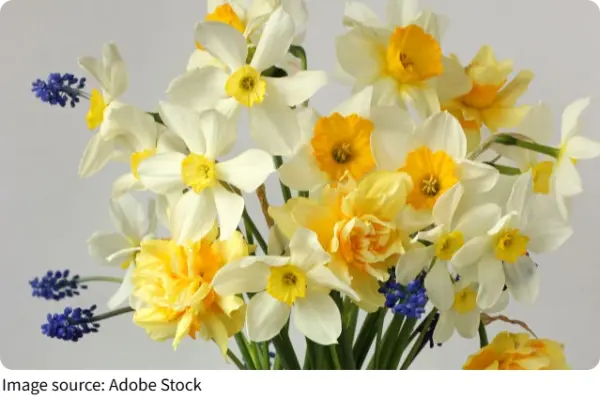
Flowers are nature's way of marking the passing of time, each season offering unique blooms that transform spaces with color, shape, and fragrance.
Selecting flowers according to the season brings freshness into your home and reflects the natural rhythm of the year.
Whether for decorating a living room or creating a vibrant bouquet, understanding seasonal blooms helps you make the most of nature's palette.
Why Seasonal Flowers Matter
Flowers at their natural peak are fresher, more vibrant, and longer-lasting. Using seasonal blooms also supports local growers and reduces transportation, making arrangements more sustainable. Knowing which flowers bloom at different times ensures that your displays look lively and stay beautiful longer.
Spring Blooms: Gentle and Fresh
Spring introduces soft colors and delicate textures. Tulips, daffodils, lilacs, and hyacinths thrive in the cooler weather and add pastel tones to any arrangement. Spring arrangements often feel lively and uplifting, bringing a sense of renewal into the home.
1. Tulips – Elegant and versatile, tulips add grace and variety.
2. Daffodils – Bright yellow flowers that create a cheerful atmosphere.
3. Lilacs – Softly scented blooms that add romantic charm.
4. Hyacinths – Fragrant and colorful, perfect for spring displays.
Summer Flowers: Bold and Vibrant
Summer brings intense sunlight and heat-loving blooms. Sunflowers, hydrangeas, dahlias, and roses provide strong color contrasts and lush textures. Summer bouquets are typically full and energetic, reflecting the season's vitality.
1. Sunflowers – Iconic and cheerful, ideal for adding height and color.
2. Hydrangeas – Large, soft clusters that make a statement.
3. Dahlias – Bold shapes and deep colors create visual interest.
4. Roses – Timeless and available in many shades for versatile arrangements.
Autumn Arrangements: Warm and Cozy
Autumn flowers highlight earthy tones, including deep reds, oranges, and golds. Chrysanthemums, marigolds, asters, and anemones provide texture and warmth for indoor and outdoor spaces.
1. Chrysanthemums – Full blooms with rich autumn colors.
2. Marigolds – Bright and cheerful, adding golden hues.
3. Asters – Delicate flowers that enhance autumn arrangements.
4. Anemones – Bold centers create a striking contrast.
Winter Blooms: Elegant and Fresh
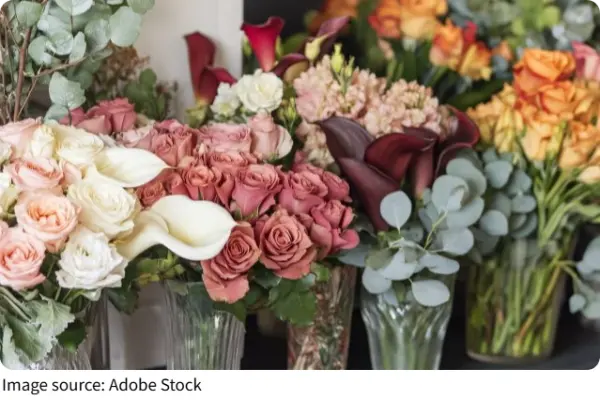
Winter flowers add brightness during colder months. Amaryllis, camellias, paperwhites, and hellebores provide elegant blooms that stand out against winter landscapes.
1. Amaryllis – Dramatic and eye-catching.
2. Camellias – Refined petals with graceful appearance.
3. Paperwhites – Delicate and fragrant, ideal for small indoor displays.
4. Hellebores – Long-lasting blooms that thrive in winter light.
Tips for Choosing Seasonal Flowers
1. Check local bloom times to pick flowers at their best.
2. Match colors to the season—soft pastels for spring, bright tones for summer, warm earthy hues for autumn, and deep or cool colors for winter.
3. Mix blooms and foliage for depth and texture.
4. Consider the setting—seasonal flowers reflect mood and environment naturally.
The Living Rhythm of Flowers
Flowers follow the cycles of nature. By choosing blooms that align with each season, we embrace the passage of time and bring vitality into our surroundings. Seasonal arrangements create a connection to nature's rhythm and add meaning, color, and freshness to daily life. Choosing seasonal flowers allows us to experience the beauty of nature all year, making every bouquet a small celebration of life's changing moments.