Go Green Daily

Chris Isidore
| 01-04-2026
 · Science Team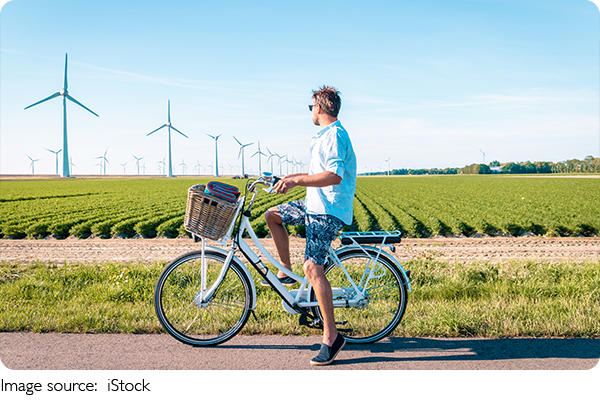
In today’s fast-paced world, eco-friendly travel options like biking and walking are becoming more popular as daily commuting choices. We’re starting to realize that avoiding cars doesn’t just reduce traffic jams and pollution—it also brings personal benefits and strengthens our communities.
Whether we’re heading to work, school, or a nearby café, choosing these methods can improve our lives in ways we might not even expect. Let’s dive into the five key benefits of biking and walking.
Reducing Environmental Impact
Biking and walking are among the cleanest ways to get around. Cars burn fossil fuels, releasing harmful emissions into the air, but bicycles and our own two feet produce almost nothing. For every kilometer we ride a bike, the carbon output is only a tiny fraction of a car’s emissions, and walking releases virtually zero.
By opting for these methods more often, we actively shrink our city’s carbon footprint and contribute to fighting climate change. Over time, even small trips—like a 10-minute walk to the grocery store—add up, making a real difference in air quality and overall environmental health.
Boosting Health and Energy
Regular movement, like biking or walking, does wonders for our bodies. These activities keep our hearts healthy, lower blood pressure, reduce the risk of diabetes, and improve overall circulation. Biking raises our heart rate, strengthens leg muscles, and builds endurance, while walking can be a gentle but effective way to stay active.
Beyond physical benefits, being outdoors exposes us to sunlight and fresh air, which naturally lift our mood. We often feel less stressed, more energized, and mentally sharper after spending time on our feet or bike seats. Over weeks and months, these small choices accumulate, giving us better long-term health and more energy for our daily tasks.
Improving City Traffic
As more people choose bikes or walking over cars, city roads become less crowded. Fewer vehicles on the road mean smoother traffic, fewer accidents, and safer streets for everyone. Bikes and pedestrians require far less space, making it easier for cities to create bike lanes, sidewalks, and safe crossings.
Well-designed urban spaces encourage more people to leave their cars behind, which further reduces congestion. Plus, moving slower on foot or bike allows us to notice our surroundings—the shops, parks, and neighbors—making the city feel friendlier and more connected.
Saving Money Every Day
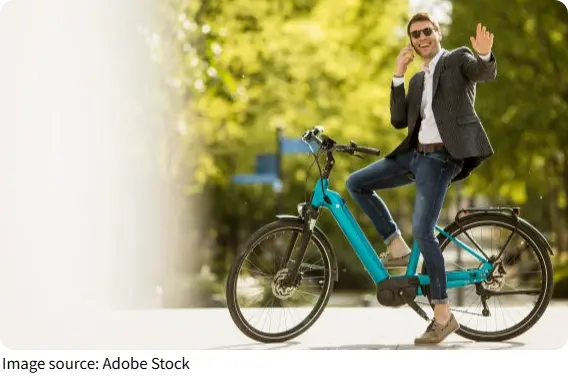
Switching from cars to biking or walking saves money—lots of it. Cars involve costs like purchase prices, fuel, parking, insurance, and maintenance. Bikes need only a small one-time investment and occasional maintenance, while walking is completely free. Over months and years, these savings can add up, freeing money for hobbies, trips, or even investing in better gear for our cycling or walking adventures. Choosing eco-friendly travel isn’t just better for the planet; it’s practical for our wallets too.
Strengthening Community Connections
Biking or walking makes it easier to interact with our neighborhood and community. Slower travel allows us to notice people, streets, and local businesses, which can spark small conversations or friendly greetings. Over time, these little interactions help build stronger social bonds and a sense of belonging. Communities where people walk or cycle regularly tend to feel safer, friendlier, and more connected. By adopting these habits, we’re not only caring for our health and environment but also contributing to a supportive, neighborly community.
Let’s Embrace It!
Overall, biking and walking are not just sustainable travel choices—they improve our health, save money, ease city traffic, and strengthen community ties. By supporting public facilities like bike lanes and sidewalks, and encouraging policies that make walking and cycling safer and easier, we can all join a greener lifestyle.
Let’s enjoy the multiple benefits of eco-friendly travel and actively contribute to a healthier, happier, and more sustainable city life. Every small choice we make adds up, and together, we can create cities where people, not just cars, thrive.