The Mental Game of Fencing

Mukesh Kumar
| 07-04-2026
 · Sport Team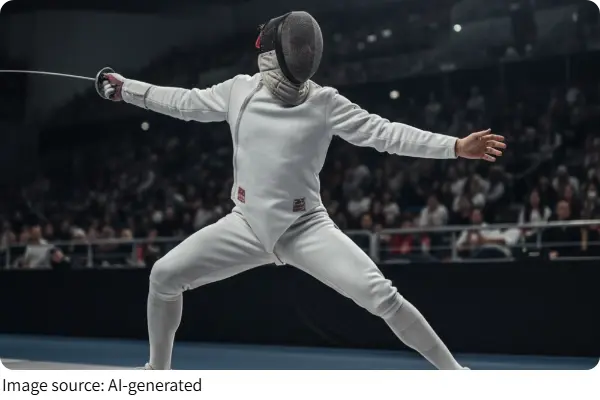
Fencing is often described as physical chess, with athletes using their bodies not only to outmaneuver their opponents but also to outthink them.
While technique and agility are crucial to the sport, the mental game plays a pivotal role in determining the winner. In fencing, psychological strength, strategic thinking, and focus can be just as important as speed and precision.
The Importance of Mental Preparation
Before stepping onto the piste, fencers must prepare mentally for the challenge ahead. Mental preparation involves building confidence, focusing on the game plan, and controlling nerves. For many fencers, visualization techniques help them mentally rehearse their movements and strategies, essentially "playing out" the match in their heads. This not only sharpens their focus but also builds the confidence needed to execute their techniques during the match.
1. Confidence and Self-Belief:
Confidence is often a deciding factor in a close match. A fencer who believes in their ability to outmaneuver their opponent is more likely to stay composed under pressure. Conversely, self-doubt can lead to hesitation, resulting in missed opportunities. Building self-belief comes from training, experience, and the ability to stay positive even after a mistake.
2. Mental Resilience:
Fencers must be able to rebound quickly from mistakes, which requires mental resilience. A fencer who lets frustration take over can lose their composure and fall into a cycle of poor decisions. Resilience helps them stay focused, analyze the situation, and adjust their tactics mid-match.
Focus: The Key to Reading Your Opponent
In fencing, focus is essential for both offense and defense. A fencer must remain intensely focused on their opponent's movements, anticipating their actions and preparing to react accordingly. This requires heightened awareness and the ability to read subtle cues—such as the opponent's body language, fencing stance, and even eye movement—that signal their next move.
1. Reacting to the Opponent:
Fencers must learn to "read" their opponent and predict their actions based on previous exchanges. Being able to predict the opponent's next move can give the fencer a tactical advantage. However, this requires not only focus but also patience, as fencers must refrain from reacting too hastily and risk falling into predictable patterns.
2. Staying Calm Under Pressure:
Mental clarity during high-pressure moments is crucial in fencing. The ability to stay calm allows fencers to make calculated decisions, even in intense situations. Pressure often leads to hasty decisions, but remaining calm helps fencers focus on the execution of their techniques rather than being overwhelmed by the match's emotional stakes.
Strategy: Outthinking Your Opponent
Fencing is not just about executing precise movements; it's about outsmarting the opponent. Fencers must be able to formulate and adapt strategies during a match. This might involve baiting the opponent into a certain movement, changing the rhythm of attacks, or using feints to trick them into making a mistake.
1. Adaptability:
A fencer's ability to adapt their strategy is a hallmark of a strong competitor. If a particular tactic isn't working, the ability to switch gears and try something new is essential. Mental flexibility allows a fencer to evaluate their opponent's weaknesses and adjust tactics as needed.
2. Using Deception:
Deception is a key component of fencing strategy. By misleading the opponent into thinking one action will occur while executing a different one, fencers can catch their adversaries off guard. However, this requires a strong mental game to maintain control over both the situation and one's own actions.
Conclusion: The Mind-Body Connection
Fencing isn't just a sport of physical prowess; it's a mental challenge that requires strategy, focus, and psychological resilience. The best fencers are those who can master both the physical and mental aspects of the sport, using their mental preparation to navigate the highs and lows of a match. Ultimately, fencing teaches us that mental strength is just as important as physical strength, and that success often depends on how well a competitor can balance both. Whether you're in the middle of a fierce bout or watching from the sidelines, the mental game is what separates the good fencers from the great ones.