Salted Peanut Recipe

Caroll Alvarado
| 08-05-2026
 · Food Team
Hello Lykkers, today we are making a comforting and widely loved snack: boiled peanuts. This dish is often enjoyed in daily life because of its mild saltiness, natural nutty aroma, and satisfying texture.
Although it looks simple, the result can vary a lot depending on preparation. If we follow a clear step-by-step method, the peanuts can turn out evenly flavored, soft or slightly firm depending on preference, and much more enjoyable overall.
Let’s go through a detailed and practical home recipe together.
What we are making: a simple spiced boiled peanut snack
This recipe focuses on fresh peanuts cooked slowly in a lightly seasoned liquid. The goal is to help the seasoning enter the shell and reach the inner kernel evenly.
We are not creating a strong-flavored dish. Instead, we aim for a gentle balance of salt and aroma, where the natural taste of peanuts remains the highlight.
This makes it suitable as a snack during the day or something to share at home with family.
Ingredients
To prepare this dish, we use simple and easy-to-find ingredients:
Main ingredient:
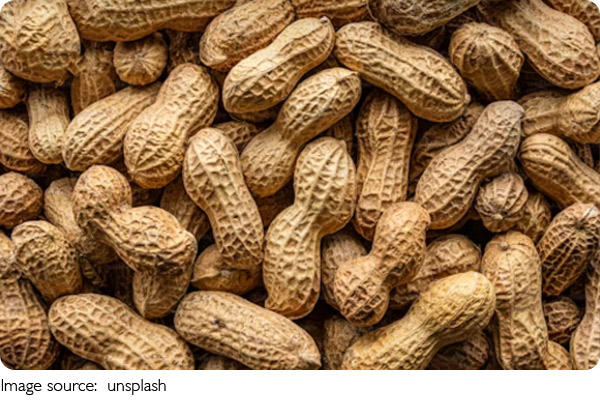
- Fresh peanuts with shells: 500 grams
Seasoning base:
- Water: about 1.5 liters (enough to fully cover peanuts)
- Salt: 20 grams
Aromatic spices:
- Bay leaves: 2 pieces
- Star anise: 2 pieces
- Cinnamon stick: 1 small piece
- Fennel seeds: 1 teaspoon
- Peppercorns: 1 teaspoon
These spices create a light and layered aroma without overpowering the natural peanut taste.
Step 1: Cleaning the peanuts carefully
1. We first place the fresh peanuts into a large bowl. Add clean water and gently rub the shells with our hands.
2. This helps remove soil and dust that may stick to the surface. We repeat rinsing 2 to 3 times until the water becomes clear.
3. Finally, we drain the peanuts and let them rest for a few minutes to remove excess water.
Step 2: Preparing a light seasoning broth
1. We pour 1.5 liters of water into a cooking pan. Then we add salt and all the spices: bay leaves, star anise, cinnamon stick, fennel seeds, and peppercorns.
2. We bring the mixture to a boil, then lower the heat and let it gently simmer for about 10 minutes.
3. This step helps the spices release their aroma into the liquid, creating a mild flavored base.
4. After simmering, we turn off the heat and let it cool slightly before the next step.
Step 3: Creating small shell openings for better flavor
1. To help seasoning reach the inside, we make a small opening on each peanut shell.
2. We can gently press the shell or use kitchen scissors to snip a tiny gap at one end.
3. This allows the liquid to enter more easily during soaking and cooking, improving flavor absorption.
Step 4: Soaking for deeper taste
1. We place the prepared peanuts into the warm seasoning liquid.
2. At this stage, we do not apply heat. We simply let them soak for about 2 hours.
3. During this time, the liquid slowly enters the shell and the peanuts begin to absorb the mild aroma and saltiness.
4. This step is key for even and balanced flavor.
Step 5: Final cooking and adjusting texture
1. After soaking, we bring the pan back to heat.
2. We cook the peanuts for about 10 minutes on medium heat. This ensures they are fully heated through and evenly flavored.
3. If a softer texture is preferred, we can extend cooking time to around 20 minutes.
4. Once done, we turn off the heat and let them sit briefly before serving.
Helpful tips for better results
A few practical points can improve the final taste:
- We use fresh peanuts for better moisture and texture.
- We keep salt moderate so the flavor stays balanced.
- We allow enough soaking time so seasoning spreads evenly.
- We adjust cooking time depending on texture preference.
Small details like these make a noticeable difference in the final result.
A tasty ending worth trying at home
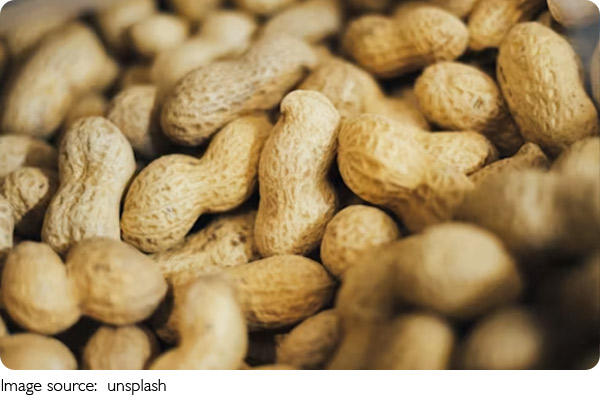
Lykkers, this simple snack shows how careful preparation can improve everyday cooking. With a few thoughtful steps, we can turn basic ingredients into something warm, flavorful, and enjoyable at home.
We hope this detailed guide helps make the process clearer and easier to follow. What texture do we prefer most—soft or slightly firm? Feel free to share your thoughts and cooking experience with us.
Best Boiled Peanut Recipe
Video by Chef Buck